
Published on April 23, 2026
How to Target Audiences Effectively in Facebook Ads Manager
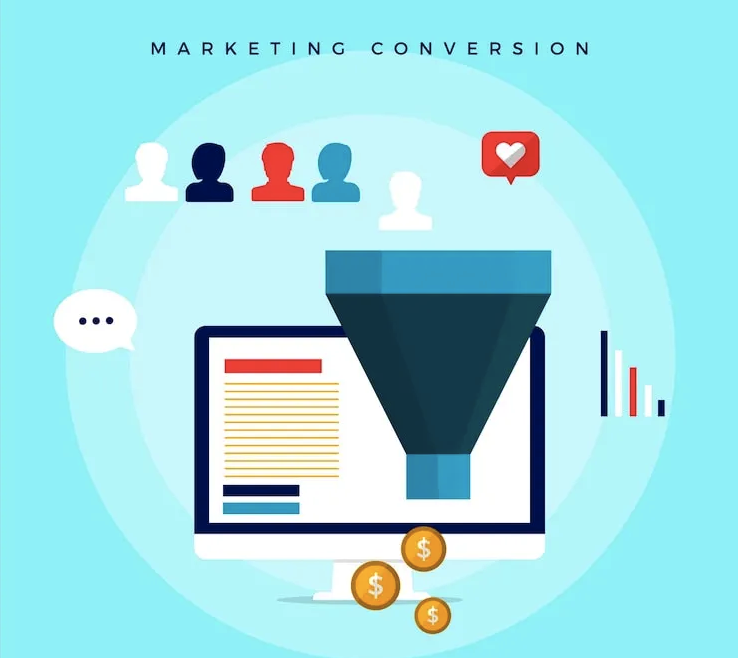
Effective audience targeting in Facebook Ads Manager is not simply choosing a few interests and launching an ad. It is a strategic process where you understand who you want to reach, what stage they are in, what they already know about you, and what next step makes sense for them. When the audience is selected well, the ad does not feel like random noise. It appears in front of someone who is more likely to recognize the topic, read the content, click, return, and eventually take action at the right moment.
Facebook Ads Manager works best when the structure is clear at the ad set level. This is where you decide who the campaign is speaking to. At this level you set location, age, gender, language, interests, behaviors, custom audiences, lookalike audiences, and exclusions. If these settings are chaotic, even a strong creative and good copy can underperform. If the audience is logically built, the ad budget begins to work with more precision.
Core Audience Basics
Core audience is the foundation. These are the basic settings: location, age, gender, and language. They look simple, but this is often where the first mistakes happen. If the business works locally, there is no reason for the ad to show too broadly. If you offer a service in Berlin and nearby areas, it makes more sense to start with Berlin and surrounding areas instead of spending budget on people who cannot realistically buy or participate.
Age range matters too. Many beginners keep the range too broad because they are afraid of missing potential clients. But an audience that is too broad can weaken the signal. If you know your content is for women entrepreneurs between 28 and 48, there is no need to start with 18-65 without a reason. It is better to begin with a realistic hypothesis and then test it.
Language also matters. If the ad is in Bulgarian, the audience needs to understand Bulgarian. If it is in English, the language setting and the copy should work together. Small mismatches between language, location, and content often reduce audience quality.
Location
Start with the real market you can serve. A local business, online service, and international program all need different targeting logic.
Age and language
Do not choose broad settings out of fear. Choose an audience that has a real connection to the offer, content, and way you communicate.
Detailed Targeting
Detailed targeting allows you to add interests, behaviors, and demographic signals. For example, you can target people interested in small business owners, productivity tips, online business, marketing strategy, or entrepreneurship. You can also use behaviors such as frequent shoppers or demographic signals such as job titles when they are relevant.
There is an important trap here. Many people add too many interests at once and believe this makes the audience more precise. In reality, it often makes the audience more chaotic. If you place too many different interests into one ad set, you no longer know what is working. If the campaign performs well, you will not know whether the result came from entrepreneurship, productivity, wellness, or another combination.
A better approach is to think in clear hypotheses. One ad set can test an audience around business owners. Another can test people interested in productivity. A third can test women interested in wellness and entrepreneurship. This is how you start learning which group responds better and why.
How Broad Should the Audience Be
An audience that is too narrow can lead to high frequency, quick exhaustion, and more expensive results. An audience that is too broad can generate many impressions but little real relevance. That is why, for cold audiences, it is often useful to look for a balance between scale and precision. A potential reach of around 500K-2M can be a useful starting frame, but it is not a rule for every business.
More important than the number itself is the quality of the logic. If the audience is broad, the creative must be clear enough to help the algorithm find the right people. If the audience is narrower, it still needs enough volume for the campaign to collect data. Targeting is not mathematical magic. It is a process of shaping signals.
Custom Audiences
Custom audiences are one of the most valuable parts of Facebook Ads Manager because they work with people who already have some connection with you. These can include email lists, phone numbers, website visitors, video viewers, Instagram engagers, Facebook page engagers, or people who interacted with previous ads.
These audiences are warmer than cold interests. They have already seen something, read something, clicked, watched a video, or visited the website. This means the ad can be more specific. Instead of explaining who you are from zero, you can continue the conversation. For example, someone who has read blog content about Facebook Ads can receive an ad leading to a deeper article, webinar, guide, or offer.
Custom audiences are especially important for retargeting. If someone visited a page but did not act, you can show them a next message. If someone watched 50% of a video, you can show them a more specific invitation. If someone started checkout but did not complete it, you can bring them back with a reminder or clearer value.
Warm audience
These are people who have already touched your brand. They usually have a higher chance of action because they are not starting from zero trust.
Retargeting
Retargeting works best when it does not repeat the same message, but gives the next logical reason for the person to return.
Lookalike Audiences
Lookalike audiences help you reach new people who resemble an already valuable audience. For example, you can create a lookalike from buyers, email subscribers, website visitors, people who spent time on your site, or people who engaged with content. The better the source audience, the more meaningful the lookalike becomes.
The percentage matters. A 1% lookalike is closest to the source audience and is usually more precise, but smaller. A higher percentage, such as 5% or 10%, gives more scale but less similarity. For prospecting, it is often smart to start with 1% or 2% and then test broader expansion.
It is also important to exclude people who have already converted when that makes sense. If the goal is to find new prospects, there is no need to spend budget on people who already bought the specific product or already signed up. Exclusions help keep the budget cleaner.
Advantage+ Audience
Advantage+ Audience allows Meta to use AI optimization and expand the audience around your suggestions. This does not mean leaving everything without strategy. A better approach is to give high-quality seed signals: custom audiences, lookalikes, interests, or demographic guidance that helps the system understand where to begin.
This feature can be useful when you have enough data and strong creative. The algorithm needs signals. If the ad is unclear, the offer is weak, or Pixel tracking is not working, Advantage+ will not magically solve the problem. But if you have clear structure, good content, and proper tracking, AI optimization can help find additional people beyond the original limits.
Insights and Audience Analysis
The Insights tab and results from previous campaigns are extremely important. They show which age groups respond better, which placements bring stronger CTR, which audiences click, which people stay engaged, and which segments actually convert. This is the difference between guessing and learning.
For example, you may discover that people interested in wellness respond well to blog content but do not buy immediately. You may see that entrepreneurs click at a higher cost but convert better. You may learn that a parent audience reacts to productivity topics but needs a softer lead magnet. These observations are more valuable than the first assumptions.
Funnel Stage Strategy
The audience should match the funnel stage. For awareness, you can use broader interests, broad audiences, or Advantage+ Audience because the goal is to find people who respond to the topic. For mid-funnel, you can use video viewers, blog readers, engagers, and people who visited important pages. For bottom-funnel, you can retarget cart abandoners, checkout starters, offer page visitors, or people who clicked but did not convert.
This separation matters because different audiences need different messages. A cold audience needs a clear topic and a reason to pay attention. A warm audience needs more trust and specificity. A hot audience needs a final argument, clarity around the offer, or removal of doubt.
Testing and Optimization
Testing is essential. One of the best approaches is to run 2-3 audience variations instead of mixing everything into one ad set. For example, you can test a broad interest audience, a custom audience, and a lookalike audience. Then you monitor CTR, CPC, conversion rate, frequency, and cost per result.
Frequency should be watched carefully. If frequency becomes too high, for example above 3 in a small audience, people start seeing the ad too often. This can lead to fatigue, lower CTR, and higher cost. CTR is also a signal. If CTR is below 1%, there may be a problem with creative, message, or audience relevance.
Stacking interests can be useful when you want a more precise audience. For example, budgeting AND home organization can create a more focused segment if the topic is personal finance and better organization. But stacking must have logic. If you combine unrelated interests, the audience becomes artificial.
Practical Checklist
✓ Start at the ad set level and build the audience with clear logic.
✓ Set location, age, gender, and language according to the real market.
✓ Use detailed targeting as a hypothesis, not as a random list of interests.
✓ Create custom audiences from website visitors, engagers, video viewers, and customer lists.
✓ Use lookalike audiences from your highest-quality source audiences.
✓ Exclude recent converters when the goal is new audience acquisition.
✓ Test separate campaigns or ad sets for different funnel stages.
✓ Watch frequency, CTR, CPC, and conversion rate, but analyze them together, not in isolation.
The Most Important Takeaway
Effective audience targeting in Facebook Ads Manager is a balance between human understanding and algorithmic optimization. You need to know who the person is, what they care about, what they have already done, and what next step makes sense for them. At the same time, you need to give the algorithm enough strong signals to find more people with similar behavior.
The best results do not come from one perfect setup. They come from a system: clear structure, strong audiences, quality content, a working Pixel, regular testing, and calm optimization. When these elements work together, Facebook Ads stops being just a reach expense and starts becoming a tool for real growth.