
Published on April 26, 2026
Conversion Friction in Facebook Ads: Where People Get Lost Before They Act
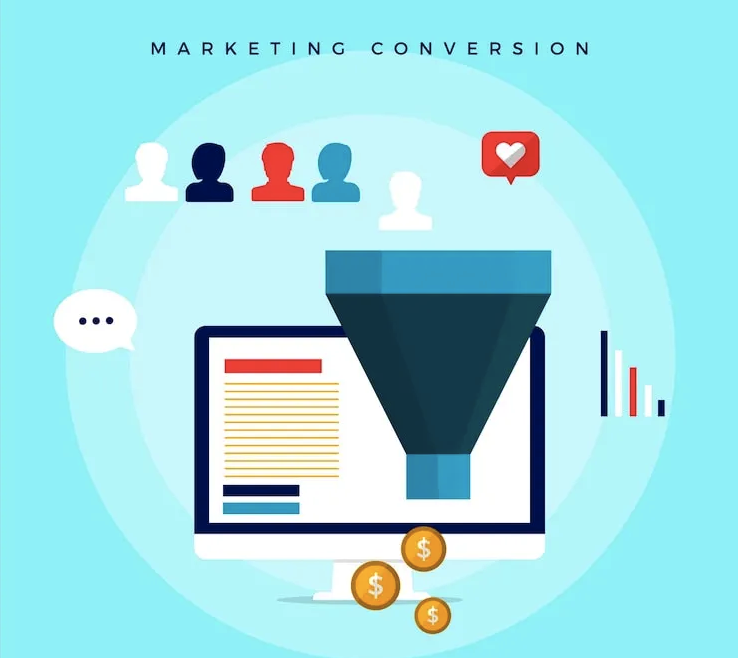
When a Facebook campaign gets attention but not enough action, the first reaction is often to change the creative or the audience. Sometimes that is necessary. But very often the issue is not at the beginning of the process. It is the friction that appears right before the decision.
Conversion friction is any form of hidden resistance that slows down, confuses, or cools the person on the way to action. It can be visual, logical, emotional, or technical. And precisely because it is often quiet, it is dangerous. Budget gets spent, but the real reason behind weak performance does not seem obvious.
Friction Does Not Mean Only Bad Design
Many people associate friction only with an ugly or outdated page. But friction can exist even on a beautiful and “clean” site. If the logic is unclear, if the offer feels too broad, or if the CTA appears before enough trust is built, friction already exists.
Sometimes it is too much information at once. Sometimes it is too little. Sometimes it is the feeling that the person still does not understand what happens next. All of that creates an internal pause, and in digital environments that pause very easily turns into exit behavior.
Signs That You Have Conversion Friction
There are several signals that often reveal friction. Good CTR but weak conversion rate. Strong early engagement but short time on page. Repeated clicks without meaningful action. More traffic than expected but fewer leads, checkouts, or form submissions than should logically follow.
These signals do not always point to one single issue, but they do suggest that something in the path is not smooth. That is why conversion diagnosis should never rely on one metric alone. It needs to look at the whole journey.
Good CTR, weak result
This often means the ad creates interest, but something later interrupts confidence or direction.
Strong interest, low action
This suggests attention is being won, but the conversion environment is not holding it well enough.
Emotional Friction Is Often Underestimated
Not every resistance is technical. Sometimes the visitor sees the page and internally feels uncertain. Not because the product is weak, but because there is not enough emotional clarity yet. What is missing may be reassurance, social proof, a simpler structure, or a greater sense of safety in the decision.
This matters especially for services, training, mentoring, and offers where trust is central. In these cases, conversion friction often lives not in the button, but in the uncertainty that remains unresolved.
How to Reduce Friction
Reducing friction does not mean shortening everything at all costs. It means removing what burdens the experience and strengthening what clarifies it. Sometimes that means cutting text. Other times it means adding a stronger middle section, a testimonial, or a more structured CTA block.
The strongest pages do not merely inform. They lead. They reduce the need for the visitor to assemble the logic alone. And that is where conversion starts feeling more natural.
Practical Checklist
✓ Look for friction in logic, not only in design.
✓ Treat good CTR with low conversion rate as a likely sign of downstream issues.
✓ Add clarity and reassurance where hesitation is most likely to appear.
✓ Remove unnecessary steps, fields, and interruptions.
✓ Analyze page experience as part of the ad system itself.
The Most Important Takeaway
Conversion friction does not always reveal itself immediately, but it almost always shows up in the results. The sooner you begin looking for the hidden points of resistance, the easier it becomes to turn attention into action without burning budget on guesswork.