
Published on March 18, 2024
Core Business Chess Lessons That Drive Success
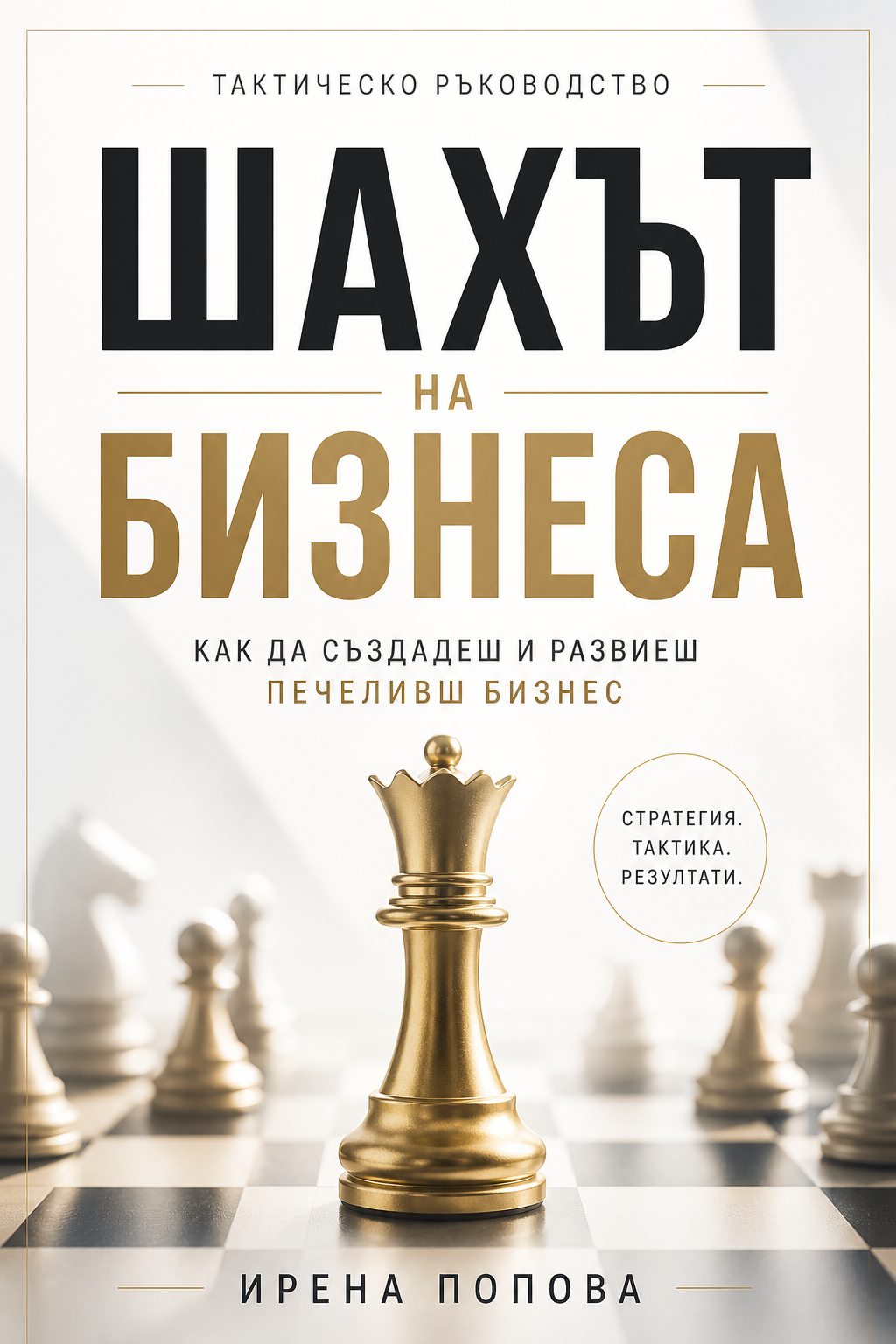
Business lessons from chess that build stronger thinking
Chess has long been used as a space for sharper thinking, better concentration, and more mature judgment. You do not need to be a grandmaster to feel its value. Even a basic understanding of chess principles can change how we plan, react, adapt, and learn from mistakes.
Thinking several moves ahead
Strong chess players rarely think in only one move. They think in sequences. If I do this, what kind of position opens after the next three or four moves? The same habit is extremely valuable in business. When we consider a new product, a partnership, a price change, or a new growth channel, the real question is not only what this decision brings now. The real question is how it will affect clients, competition, cash flow, team capacity, and positioning over time.
Adapting when the plan changes
In chess, even the best plan can change after one unexpected move from the other side. A strong player does not cling blindly to the original idea. They reassess the position and search for new logic in the game. Business works the same way. Markets change, technologies shift, clients change their behavior, and internal realities move. Leaders who handle this well do not panic. They return to the board, assess the new position, and adapt without losing the larger direction.
Managing limited resources
Every chess player begins with a fixed set of pieces and limited time. The difference is not what they start with, but how they use what they have. Business resources are also limited: money, time, energy, talent, attention, and trust. Strategic thinking means asking whether a move deserves the resource it requires. This helps stop unnecessary projects, decline distracting opportunities, and direct effort toward what truly improves the long-term position.
Building advantages, not only making moves
In chess, a move matters only if it improves the position. The same is true in business. Not every action creates advantage. Real strategy begins when each action serves a larger goal, stronger positioning, a better client experience, a clearer offer, or more sustainable growth.
Understanding the cost of every opportunity
Every opportunity carries potential, but also a cost. It requires time, focus, energy, and attention. In Business Chess, a strong founder does not ask only, “What can I gain?” but also, “What will this move cost me and what will it keep off the board?”
Strengthening the system before growth
In chess, an attack without a prepared position can quickly become a weakness. In business, growth without structure creates pressure. Before looking for more clients, more visibility, or more sales, the business needs strong foundations: a clear offer, working processes, healthy margins, and the capacity to deliver on its promise.
Turning positioning into strategic advantage
Strong positioning is like controlling the center in chess. It gives more freedom, more clarity, and more options for future moves. When the market understands who you are, who you are for, and what value you create, every message, offer, and sale starts working with less resistance.
Managing risk before it starts managing you
In chess, threats rarely appear suddenly. They are prepared several moves earlier. Business risk works the same way. Dependency on one channel, a weak financial reserve, an overloaded team, or an unclear message all show early signals. A strategic leader sees those signals early and acts before pressure becomes crisis.
Creating cumulative advantage
Big results rarely come from one dramatic move. They are built through consistent decisions that strengthen one another over time. Better communication, a sharper offer, stronger focus, better service, and clearer leadership create an advantage that may not be visible immediately, but gradually changes the entire business position.
In the end, the value is not only in the game itself. The value is in the way of thinking that remains after it. Because the most important decisions are rarely made on the chessboard. They are made in business, in leadership, and in the moments when we choose our next move.