
Veröffentlicht am 26. April 2026
Conversion-Signale in Facebook Ads: Welche Daten echte Handlungsbereitschaft zeigen
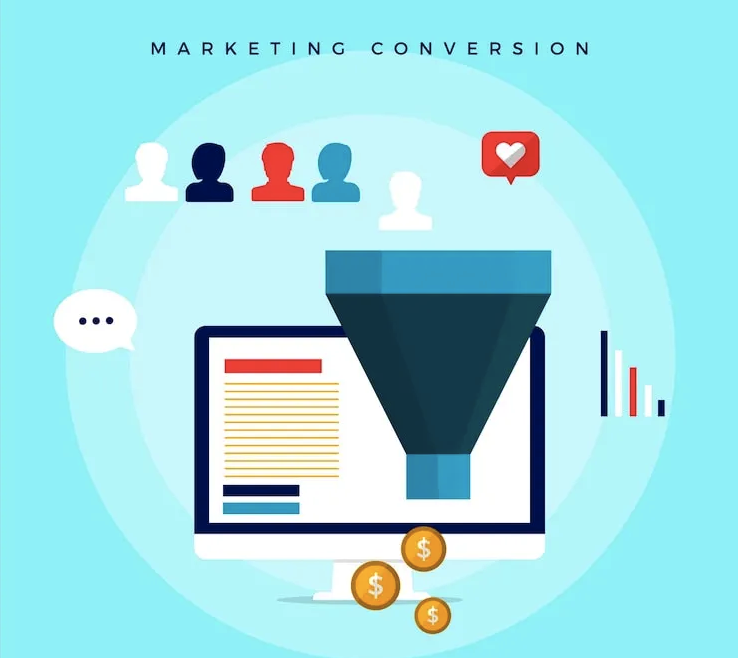
In Facebook Ads there are many numbers that can look promising. Reach, CTR, clicks, video views, page visits, reactions. But not every type of activity is a useful conversion signal. Some of those metrics show attention. Others show curiosity. Only a smaller share of them actually signals real readiness to act.
That is why it is so important to separate noise from meaningful signal. If you treat every interaction as equally valuable, it becomes easy to move budget toward behavior that looks “alive” but does not lead anywhere. Strong optimization comes from knowing which signals actually carry intent and which ones only create the illusion of activity.
What Makes a Signal Valuable
A valuable conversion signal is not just activity. It is behavior that shows deeper intent. Examples include specific page views, longer time on site, scroll depth, repeat visits, form starts, add to cart events, initiated checkouts, or downloading a more involved resource.
These actions carry more value because they require more internal participation from the user. They show that the person is not only noticing something, but moving further into the journey. That is not a guarantee of conversion, but it is a far stronger signal of probability.
Surface Signals Versus Deep Intent
Sometimes a campaign collects strong vanity metrics and still barely moves the real business goal. This happens when surface signals are mistaken for true intent. A click can be easy. A video view can be casual. A reaction can be emotional impulse. But a form completion or a repeat visit to an offer page says much more.
That is why conversion analysis needs to read behavior hierarchically. Not everything belongs on the same level. Some signals are useful awareness indicators, while others are actionable buying signals.
Surface signal
It shows that something caught attention, but not necessarily that the person is close to deciding.
Strong signal
It shows movement deeper into the funnel and a higher probability of meaningful next action.
Event Quality Matters More Than Event Volume
There is often a temptation to optimize toward the metric that simply looks larger. But many low-value events are not more useful than fewer high-value ones. If the system learns from weak signals, it may start finding more people who resemble weak signals.
That is why event quality is critical. If Pixel and CAPI are configured well and event hierarchy is clean, Meta can understand much more precisely which type of behavior actually matters. That makes optimization cleaner and creates a more meaningful audience feedback loop.
Conversion Signals and Warm Audience Logic
Strong conversion signals are also extremely useful for audience building. They show which people should enter a retargeting sequence, which deserve a follow-up message, and which are more suitable for a stronger offer angle. That makes retargeting smarter, because it no longer works only with “all visitors,” but with people who have given a more meaningful sign.
This is where conversion signals begin influencing not only measurement, but also message logic. And that is one of the strongest connections between data and real performance.
Practical Checklist
✓ Separate attention metrics from intent metrics.
✓ Prioritize signals that require deeper user involvement.
✓ Check event setup quality, not only event volume.
✓ Use strong signals for retargeting and follow-up audiences.
✓ Do not let vanity metrics disguise weak conversion reality.
The Most Important Takeaway
Conversion signals are the language users use to show how close they are to a decision. The better you understand that language, the more accurately you can organize campaigns, audiences, and follow-up messaging. And that becomes the foundation of a smarter and more profitable Meta Ads strategy.